

His birth and growth
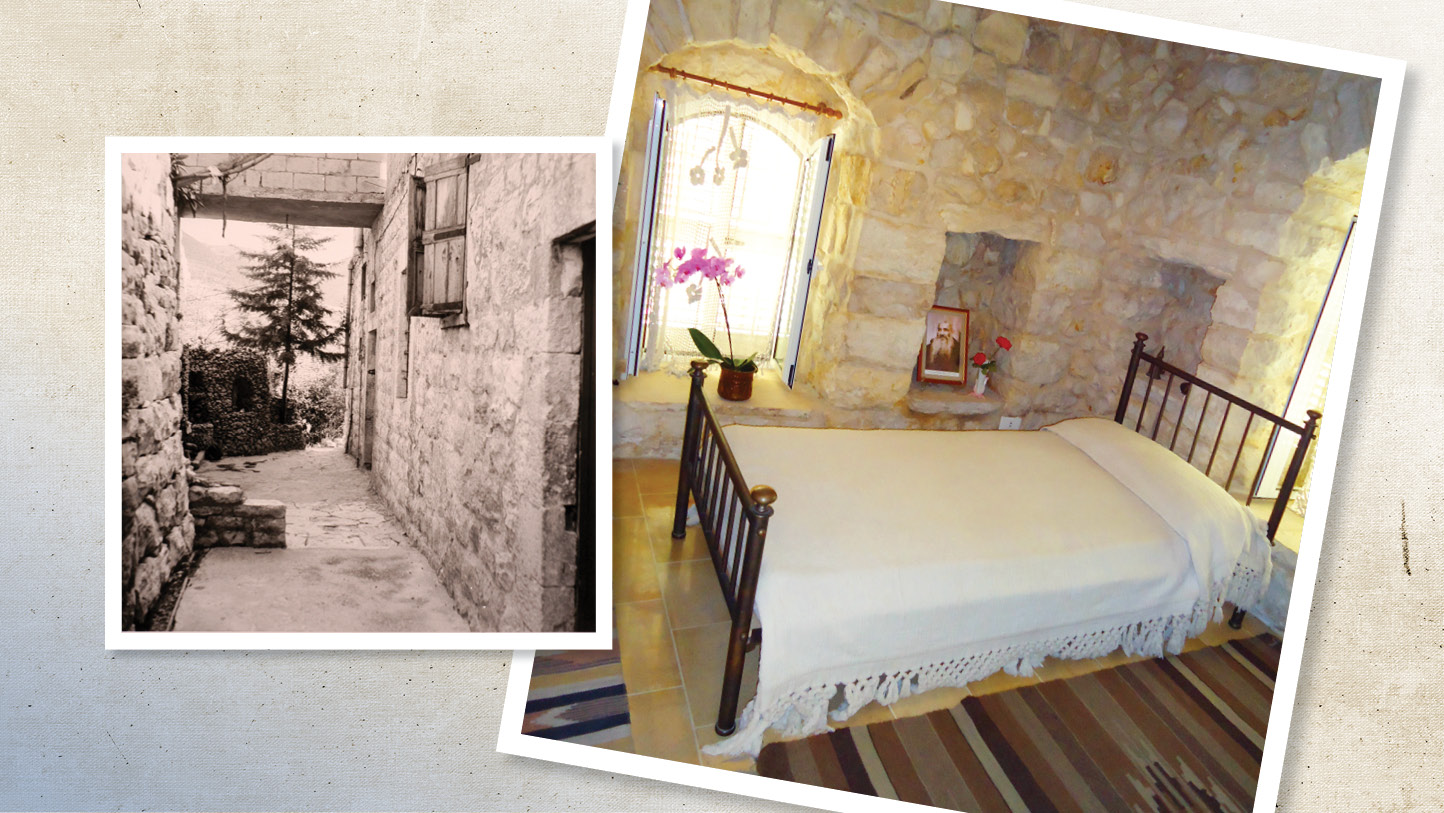
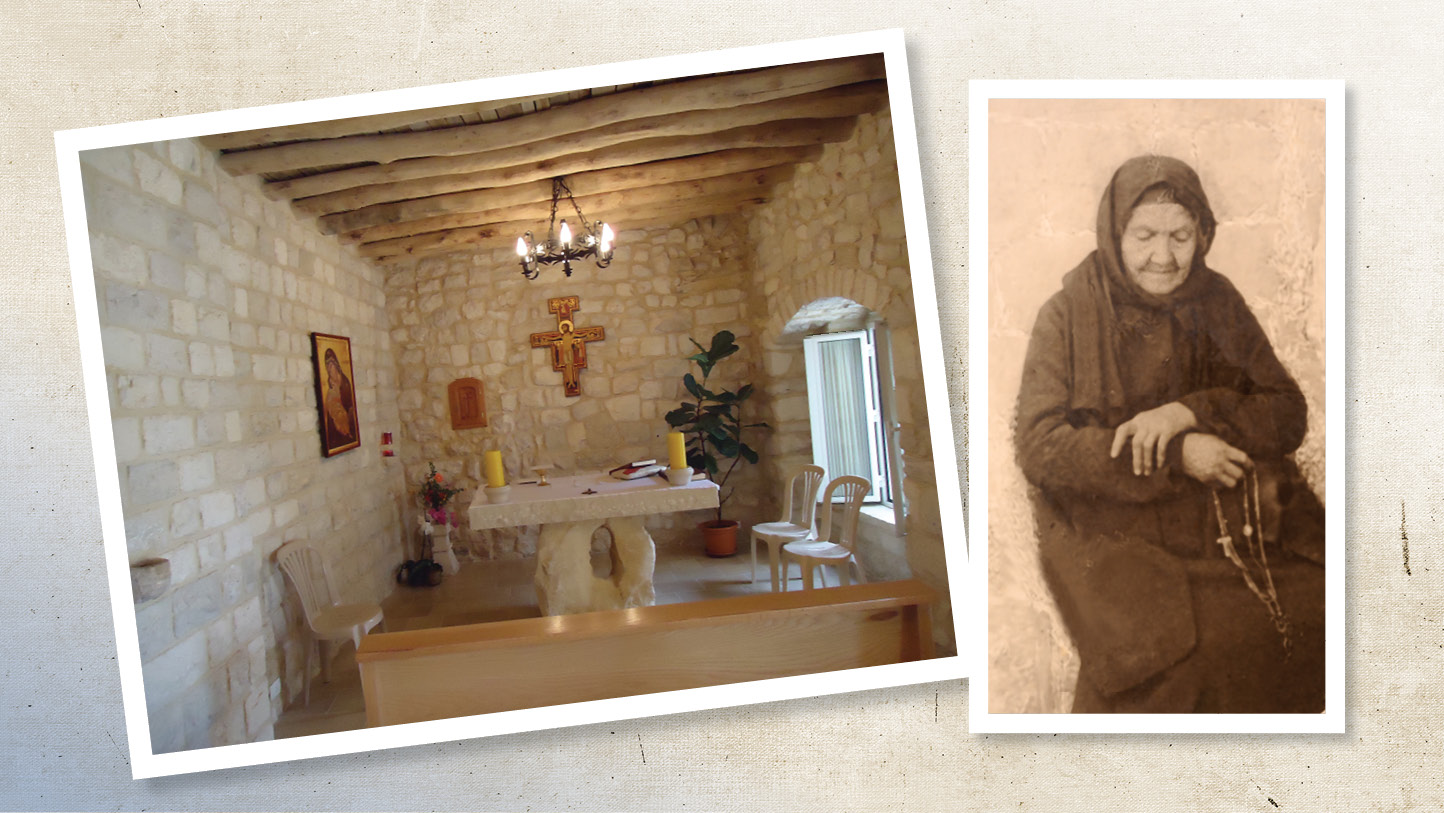
Khalil (Abouna Yaacoub) was born on February, 1, 1875 in the village of Ghazir- Kesrouan. His father is Boutros Saleh El-Haddad and his mother is Shams Yowakim El-Haddad. Khalil was baptized at the Church of the Lady of Habchieh on February, 21, 1875. He grew up in his village Ghazir receiving his first education in the parish school Saint Francis. Then he moved to the Saint Louis Schools known by the Mzar School. Afterwards, he joined La Sagesse School in Beirut from which he graduated in 1891.
After receiving his certificates, he traveled to Alexandria in 1892 where he excelled in teaching the Arabic language at Saint Mark’s college. But barely a year has passed, when he heard the voice of God telling him to leave the world and follow the Christ. So, he said: “I shall be a priest“.
Once back in Lebanon, he fulfilled his wish and entered the Saint Anthony of Padoua Convent of the Capuchin Fathers (Khashbau – Ghazir), on August, 25, 1893. It is reported that he said at that time “I came in alive and I will only come out dead“. He remained in postulate eight months; on March, 26, 1894, he was given the robe of novitiate and took the name of Brother Jacob.
The monks voted unanimously for the suitability of Brother Jacob for receiving the vows. On April, 24, 1895, he took the simple vows; three years later, he took the permanent vows on April, 24, 1898.

His priesthood and mission
On his path to the priesthood, Brother Jacob was transferred to the Krey Monastery to continue his sacerdotal studies.
He was ordained priest on November 1st, 1901, and celebrated his first mass at the Saint Louis Church in Beirut (Bab Idriss). He came then to his village Ghazir to celebrate his second mass at the Saint Francis altar, in the presence of his parents, brothers, sisters and townspeople.
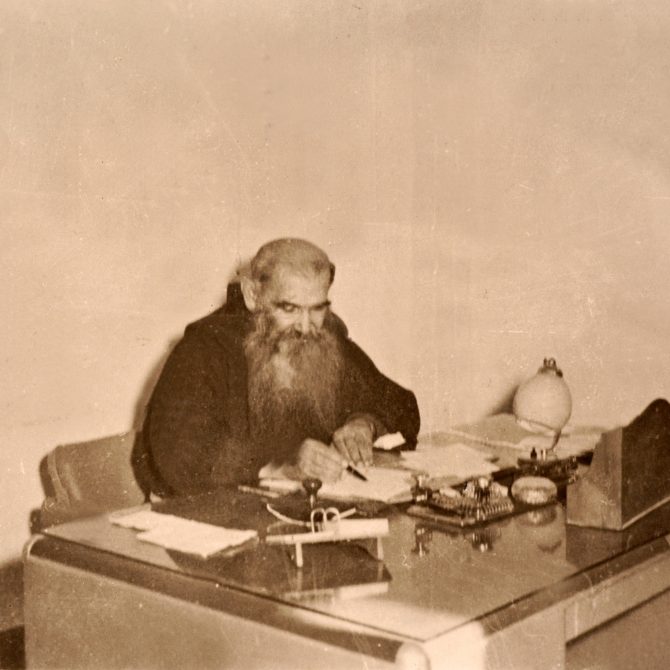
With the emergence of his name, his performance and his priestly mission, he was designated, in 1905, director of the Capuchin Monks schools in Lebanon and then founded around 230 small schools. Abouna Yaacoub was distinguished by the art of organizing pilgrimages, processions and first communions, always repeating: “If you sow host, you shall harvest Saints.” Among his many talents, preaching and guiding, he was called upon to travel to Syria, Iraq, Palestine and other countries for his oratory skills.
As his father Saint Francis of Assisi, Abouna Yaacoub established the Secular Third Order. He spread its principles and rules in cities and villages in 1906.
Aware of the importance of the media and its role in spreading the word in all times and places, he published a monthly magazine under the name of “the family’s friend”.
Due to the outbreak of WWI, the French Capuchin Monks left Lebanon in 1914, after handing over the responsibility of the mission over to Abouna Yaacoub. However, these new responsibilities did not prevent him from taking care of the Secular Third Order; he dedicates his mission to distributing bread to the hungry and burying the dead. During this difficult period, the divine providence watched over him day and night; until it turned him from the gallows, imprisonment, and arrest.


His death
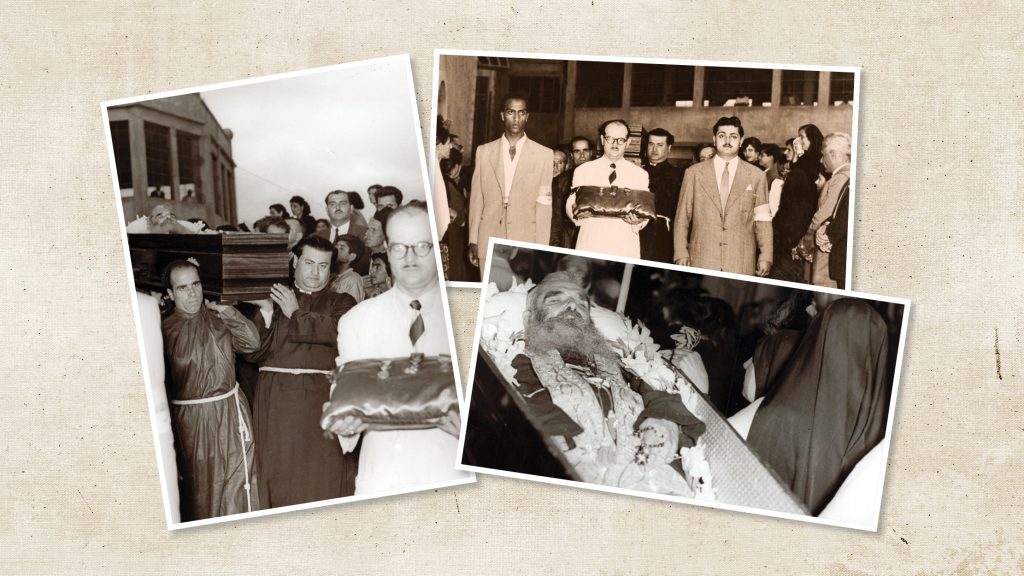
On June 26, 1954, at 3:00 PM, Abouna Yaacoub committed his soul to God, murmuring: “The Cross of God, the Love of my Heart”. Once his death became public, masses of believers started to arrive to the Convent of the Cross, and then Apostolic Nuncio, Monsignor Joseph Beltrami declared that “at the present time, he is the greatest man of Lebanon”.
His writings
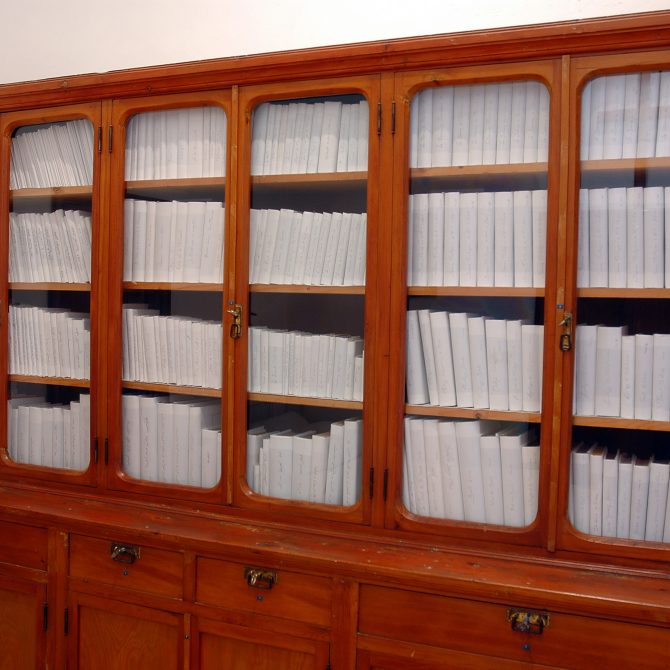
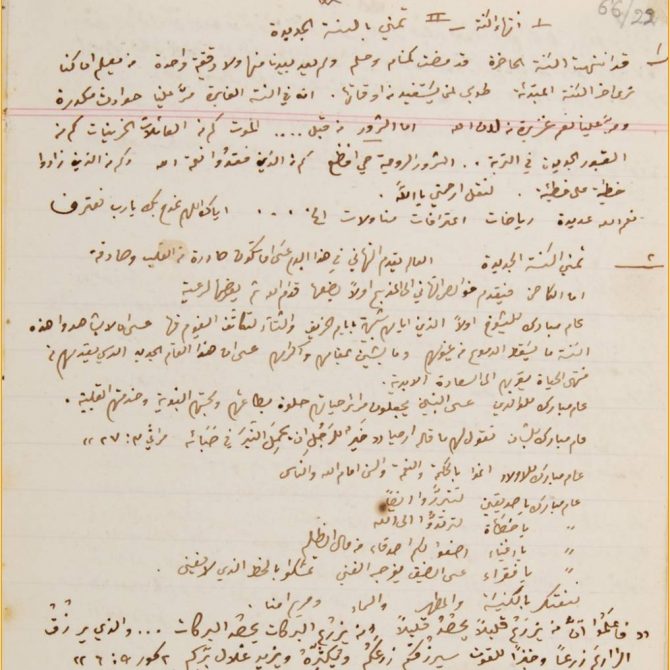
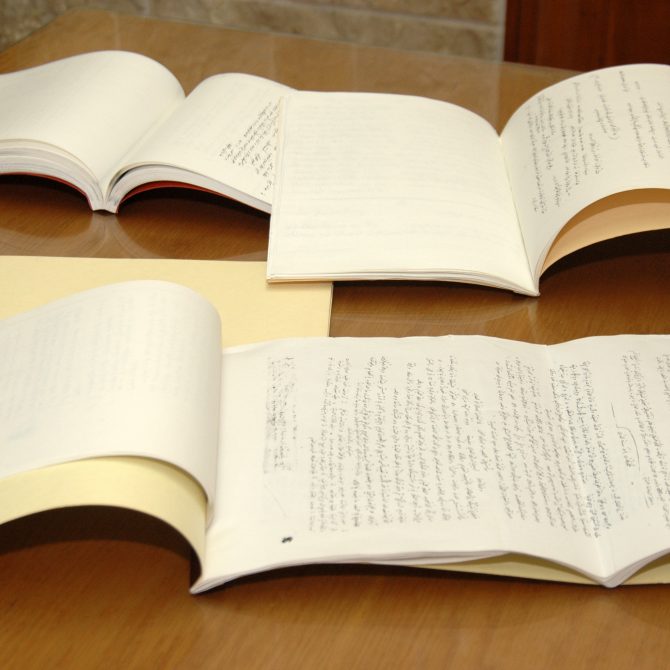
Abouna Yaacoub wrote, composed and translated numerous popular hymns and left behind 10,000 handwritten pages including memoirs, religious books, stories, guidance and sermons in various religious and social topics.